
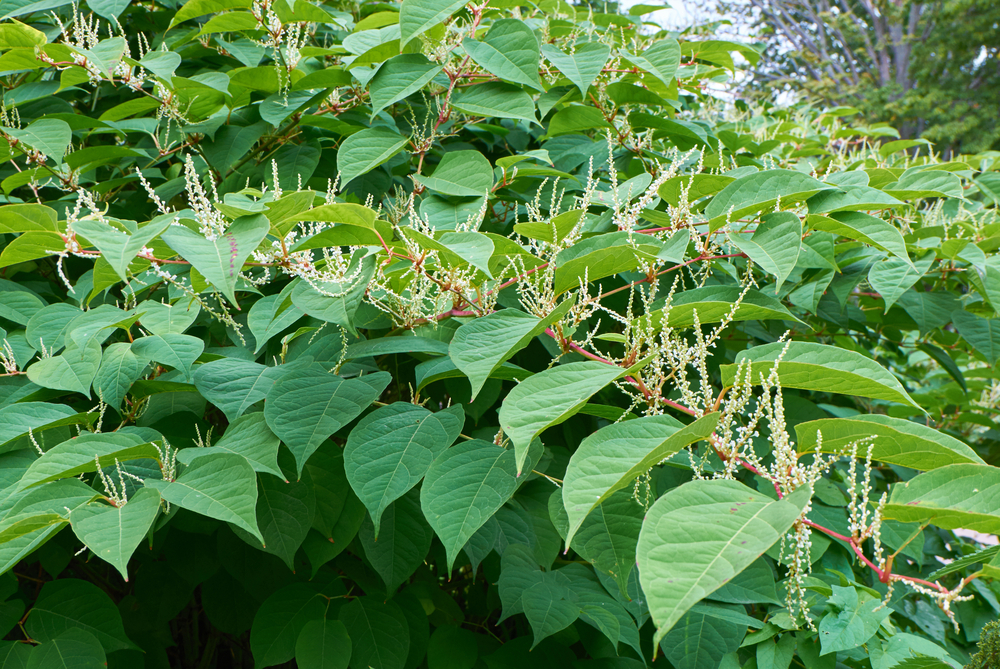
Critical structural damage. Trouble securing a mortgage. The value of your home crashing through the floor.
The costs of Japanese knotweed encroaching on your property cannot be overstated. It’s a hardy weed that’s tough to get rid of, and if you don’t remove it, it could put a stranglehold on your home, neighbouring homes, and finances for years to come.
MailOnline reported on a recent court case in the UK highlighting the impact this invasive species is having on properties — and the significant potential legal costs involved when homeowners don’t address the problem.
Furniture designer Jonathan Downing found an infestation of Japanese knotweed growing in the garden of his new £700,000 property in Raynes Park, Greater London.
The home’s previous owner, Jeremy Henderson, has since been landed with a bill of £200,000 to cover damages and legal expenses after Downing successfully sued and was awarded compensation of £32,000.
This case sets a precedent for future claims and raises awareness of the severe impact Japanese knotweed can have on structural integrity and property values.
It is also a timely and costly reminder that identifying and addressing an infestation around your own property could save you from years of worry and hefty legal bills.
To address the growing issue, invasive plant specialists Environet have launched an interactive map that allows people to check if Japanese knotweed has been identified near them.
This map shows the locations of known knotweed infestations and provides information on the best methods for controlling the plant. It is a valuable tool for anyone looking to buy or rent a property who might be concerned by the implications of an infestation nearby.
The map is part of a wider campaign to raise awareness of the invasive species and to encourage the public to report sightings. However, the map only shows known infestations, so it is possible that there are many more locations where Japanese knotweed is present but has not been reported.
And if you’ve found it, it can be difficult and expensive to remove.
To control Japanese knotweed, it is important to remove the plant and its roots completely. This can be a complex and time-consuming process, and professional help is often required. Once the plant has been removed, it is important to prevent it from regrowing by monitoring the area and applying herbicides if necessary.
Japanese knotweed has been estimated to cost the UK economy £165 million each year in lost property value and control efforts. The court case and the launch of the interactive map show the need for continued efforts to address this invasive species and to prevent it from causing further damage to buildings and infrastructure.
Do you suspect Japanese knotweed is growing in or near your home? We’re here to help you get the compensation you deserve.
START YOUR CLAIM NOW